Cocaine help in Canada: every free helpline, what treatment costs, and what to say when you call
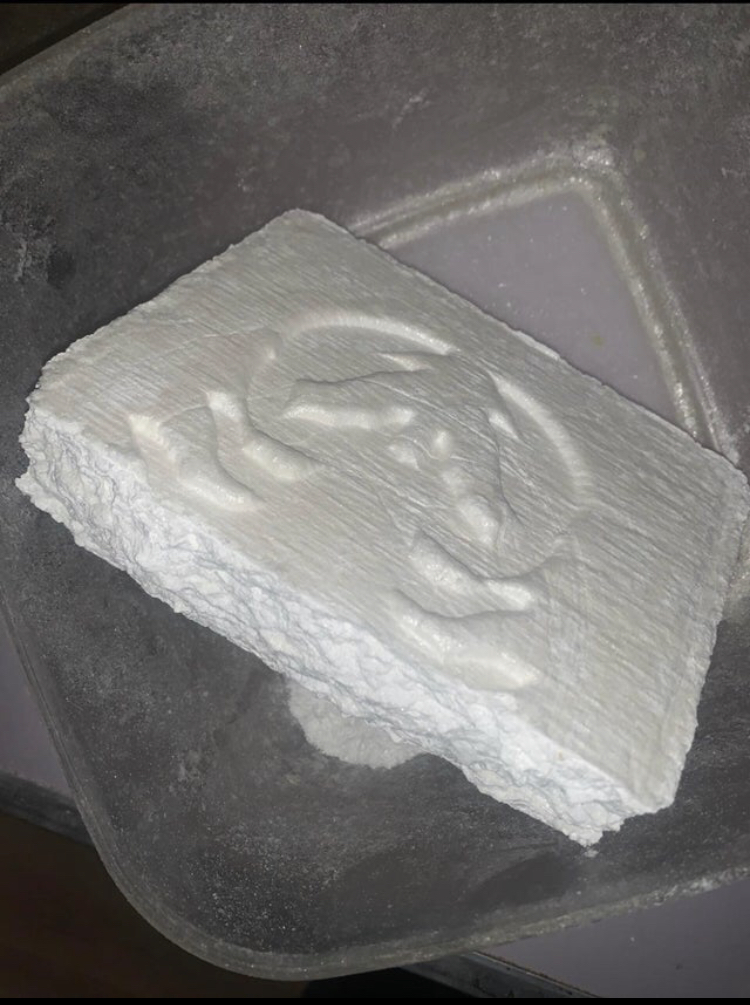
If you're searching for cocaine help in Canada, here is the most important fact first: publicly funded addiction treatment in Canada is free. The rehabs that advertise $20,000-a-month programs exist — but every province also runs no-cost assessment, counselling, day programs and residential treatment, reachable through a single provincial phone line. This page lists every one.
Overdose or medical emergency: 911 · Suicidal crisis, call or text 9-8-8 · Using alone and want someone on the line: National Overdose Response Service 1-888-688-6677 (24/7, confidential, non-judgmental).
All numbers below are free and confidential. Most run 24/7; all can refer you to local assessment and treatment.
| Province / Territory | Service | Number |
|---|---|---|
| British Columbia | Alcohol & Drug Information Referral | 1-800-663-1441 |
| Alberta | Addiction Helpline | 1-866-332-2322 |
| Saskatchewan | HealthLine | 811 or 1-877-800-0002 |
| Manitoba | Addictions Foundation of Manitoba | 1-855-662-6605 |
| Ontario | ConnexOntario | 1-866-531-2600 (text CONNEX to 247247) |
| Quebec | Drogues : aide et référence | 1-800-265-2626 (French, 24/7) |
| New Brunswick | Addiction & Mental Health | 1-866-355-5550 |
| Nova Scotia | Mental Health & Addictions | 1-888-429-8167 |
| Prince Edward Island | Addiction services | 1-833-553-6983 |
| Newfoundland & Labrador | Provincial helpline | 1-877-999-7589 |
| Yukon / NWT / Nunavut | Territorial line | 1-866-456-3838 |
| First Nations & Inuit | Hope for Wellness (24/7, Cree/Ojibway/Inuktitut available) | 1-855-242-3310 |
Cocaine has no substitution medication like methadone, so treatment is behavioural — and the public system covers it:
You need exactly one sentence: "I use cocaine and I want to talk about my options." You don't need a diagnosis, a referral, a health card story or a clean day count. The person answering has heard it thousands of times; the call is confidential; and asking questions commits you to nothing.
Sources: Government of Canada (canada.ca) mental-health and substance-use support directory; Canadian Centre on Substance Use and Addiction; provincial health authorities.
Related: Quit cocaine: day by day · Is cocaine legal in Canada? · Cocaine profile · Help lines by region · Verified rehab directory

This site contains educational information about drugs and harm reduction. It is not medical or legal advice. You must be of legal age or accessing with intent to help yourself or someone else.