Cocaine Nasal Spray: what it actually is, and why it's more dangerous than lines
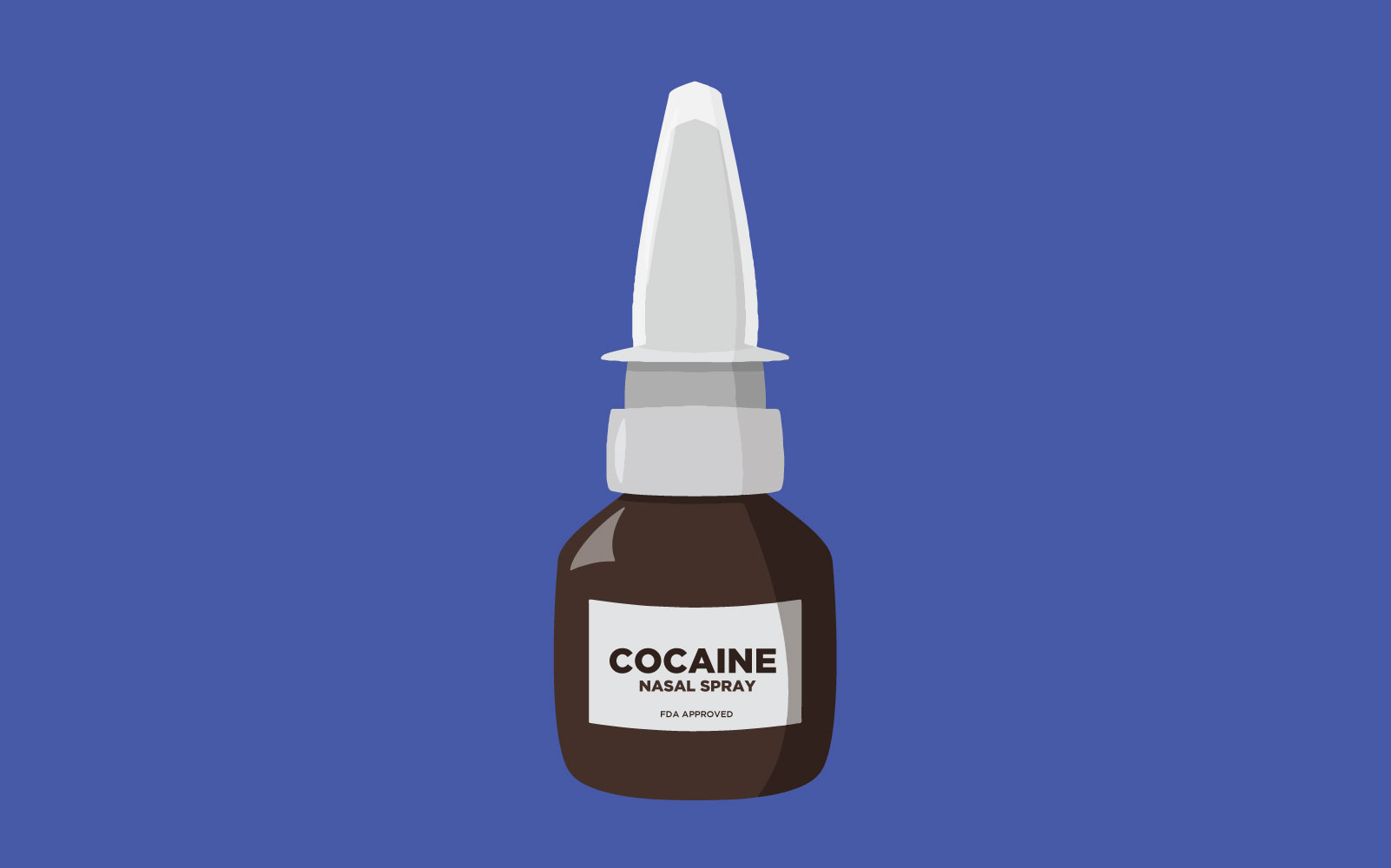
If you've seen cocaine nasal spray on TikTok or in group chats, you're watching a genuine pharmaceutical product collide with recreational use — and the result is a faster, more compulsive, and easier-to-overdose version of an already dangerous drug. This guide breaks down what's actually in these sprays, why they behave differently in your body than lines, and the specific harms most users never hear about.
Medical cocaine solution is a real, FDA-scheduled pharmaceutical (Chemistry, Manufacturing and Controls documented since the 1800s). It's a clear solution of cocaine hydrochloride in sterile water, typically 4% or 10% concentration, used by ear-nose-throat surgeons to numb the nasal cavity and control bleeding during procedures. It works because cocaine is both a local anesthetic (blocks sodium channels, numbing tissue on contact) and a vasoconstrictor (shrinks blood vessels, reducing bleeding).
| Component | Function |
|---|---|
| Cocaine HCl (4–10%) | Anesthetic + vasoconstrictor |
| Sterile water/saline | Solvent |
| No preservatives | Single-use vials — cocaine solutions degrade and grow bacteria if stored |
| No additives, no cuts | Pharmaceutical purity — the opposite of the street version |
The viral 'cocaine nasal spray' is almost always powder cocaine dissolved in saline and put into a repurposed nasal spray bottle or neti pot. The appeal is simple: no paraphernalia, no lines, no nose-drip, and a discreet format that looks like an innocent decongestant bottle. The problem is equally simple: the dose is completely unknown and the delivery is far more efficient.
Snorting cocaine is actually an inefficient delivery method: powder sits on the nasal mucosa and absorbs slowly, with much of it swallowed or drip-loss. A fine spray atomizes the solution into a mist that coats a far larger surface area of the nasal cavity and absorbs faster. The result:
| Route | Onset | Peak | Bioavailability |
|---|---|---|---|
| Snorted (lines) | 3–5 min | 15–30 min | ~30–60% |
| Nasal spray (medical or street) | 1–3 min | 10–20 min | ~60–80% |
| Smoked (crack) | 5–10 sec | ~1 min | ~70–90% |
Cocaine is a triple threat to the heart: it constricts coronary arteries (starving the heart muscle of oxygen), raises blood pressure and heart rate dramatically, and promotes clotting. Nasal spray delivers a faster, sharper spike than lines, pushing the cardiovascular system harder in a shorter window. Heart attacks and strokes occur even in young, healthy users — the faster the delivery, the sharper the spike, the higher the risk.
Cocaine is a vasoconstrictor — it cuts blood flow to the nasal tissue it touches. Repeated use causes: septum perforation (a hole in the cartilage between your nostrils), saddle-nose deformity (collapse of the nasal bridge), chronic sinusitis, and loss of smell. The spray format makes this worse: it coats the entire nasal cavity evenly, including areas lines never reach. Medical cocaine is used once, under supervision, and still carries warnings about mucosal damage. Daily spraying is a fast track to surgical reconstruction.
| Common cocaine cut | Toxicity |
|---|---|
| Levamisole (vet wormer) | Immune suppression, skin necrosis, agranulocytosis |
| Boric acid | Seizures, multi-organ damage at high doses |
| Benzocaine/lidocaine | Methemoglobinemia — blood stops carrying oxygen |
| Fentanyl (rare, fatal) | Opioid overdose in a cocaine user with no tolerance — naloxone saves lives |
Cocaine overdose doesn't look like opioid overdose (no pinpoint pupils, no slow breathing). It looks like a body in overdrive:
Cocaine burns through dopamine stores. When it clears (30–60 min after a spray hit), the crash is proportionate to the rush: exhaustion, depression, irritability, intense craving. Because sprays produce a sharper peak, the crash is sharper too — and the brain screams for another spray. This is the addiction mechanism working exactly as designed. There is no safe frequency; dependence can form within weeks of daily use.

This site contains educational information about drugs and harm reduction. It is not medical or legal advice. You must be of legal age or accessing with intent to help yourself or someone else.