Pregabalin (Lyrica) safety: overdose, controlled status, and the questions everyone asks
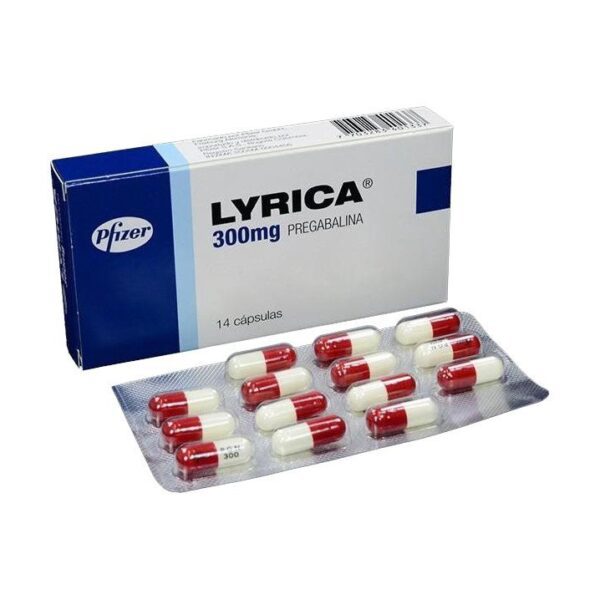
No — but it's a controlled drug with opioid-like dangers. Pregabalin is a gabapentinoid (a calcium-channel modulator), not an opioid. But it produces calm, euphoria at high doses, and physical dependence — and mixing it with opioids multiplies respiratory depression. About a third of opioid overdoses now involve a gabapentinoid. UK regulators moved it to Class C in 2019; the US made it Schedule V; prescription-only essentially everywhere.
| Country | Status |
|---|---|
| USA | Schedule V (since 2019) |
| UK | Class C under the Misuse of Drugs Act 1971 |
| EU | Prescription-only; abuse monitoring in place |
| Australia | Schedule 4 |
Yes — alone it's rarely fatal, but with opioids or benzos it's a genuine killer.
Extreme drowsiness, unsteady walking, slurred speech, confusion. If they've also taken opioids and breathing slows or they become unresponsive — call emergency services and give naloxone (it won't reverse pregabalin, but it reverses the opioid half of the combination, which is usually what's stopping the breathing).
There's no specific antidote. Treatment is supportive: airway and breathing support, IV fluids, monitoring. If opioids are involved, naloxone is given. Doctors will also check kidney function — pregabalin is cleared renally, and kidney impairment makes accumulation worse.
Full profile with street prices and dependence data linked below.

This site contains educational information about drugs and harm reduction. It is not medical or legal advice. You must be of legal age or accessing with intent to help yourself or someone else.