Vyvanse (lisdexamfetamine) safety: overdose signs, abuse questions, and what it does to your liver
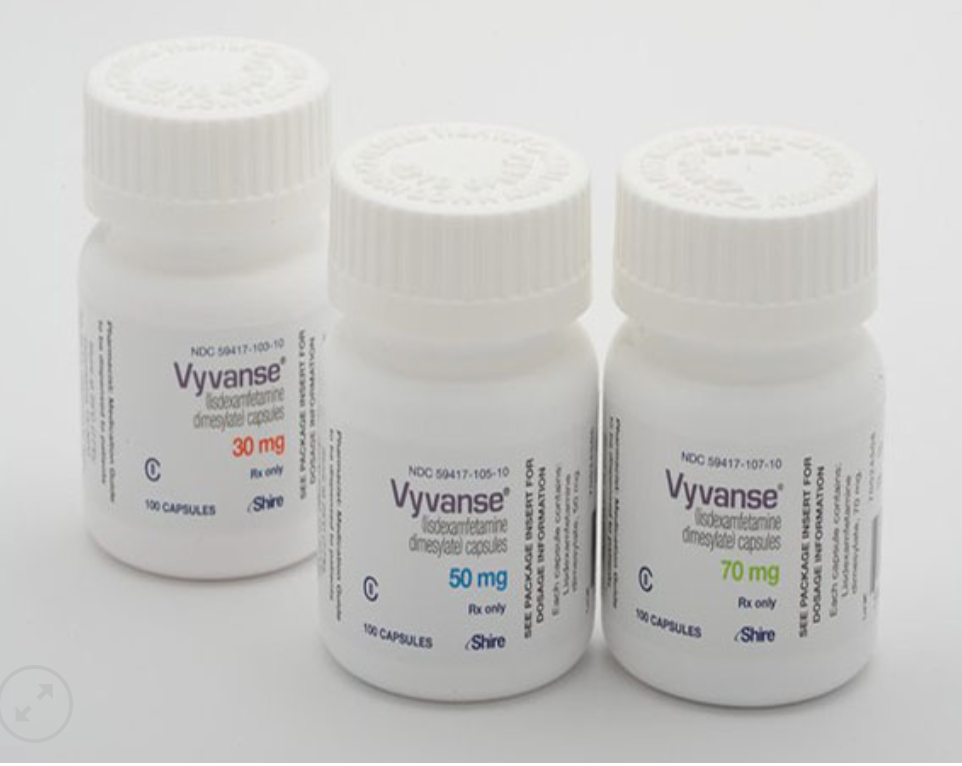
Vyvanse is a prodrug of dextroamphetamine. The capsule contains lisdexamfetamine, which does nothing until your body converts it into dextroamphetamine — the same active stimulant as Dexedrine and half of Adderall. That's why it lasts 10–12 hours and why it feels 'smoother': the conversion rate-limits the peak.
Yes. An amphetamine overdose is a cardiac and neurological event, not a quiet shutdown:
| Sign | Why |
|---|---|
| Racing, irregular heartbeat, chest pain | Cardiovascular strain — the main killer |
| Extreme agitation, paranoia, hallucinations | Stimulant psychosis |
| Overheating, sweating | Amphetamines raise body temperature |
| Tremors, seizures | CNS toxicity at high doses |
| Dangerously high blood pressure | Stroke risk |
Single massive doses (far above prescription) are the acute overdose pattern; chronic abuse causes the same damage more slowly. If someone has chest pain or a racing irregular heart after taking it: emergency services now — say 'possible stimulant overdose.'
Snorting or injecting lisdexamfetamine is mostly pointless — it must go through the liver to become active, so insufflation doesn't speed it up much and burns for little gain. That prodrug design is precisely why it was marketed as abuse-deterrent. But 'harder to abuse' is not 'safe': people still take huge oral doses, binge it, and develop dependence. The deterrent bends the route, not the risk.
No — related but different:
The liver damage risk is low at prescribed doses — the drug is converted in red blood cells, not primarily metabolized by liver enzymes. The real liver conversation is different:
Daily use builds tolerance and dependence like any amphetamine. The Vyvanse crash: 1–2 days of exhaustion, low mood, and intense craving after heavy use. Withdrawal itself is miserable but rarely dangerous — the danger is the relapse dose, taken at old tolerance after a break. If you've stopped for a week, your tolerance dropped; an old dose can be a new overdose.
Full profile and the day-by-day stimulant quitting timeline are linked below.

This site contains educational information about drugs and harm reduction. It is not medical or legal advice. You must be of legal age or accessing with intent to help yourself or someone else.