
CBD vs Weed
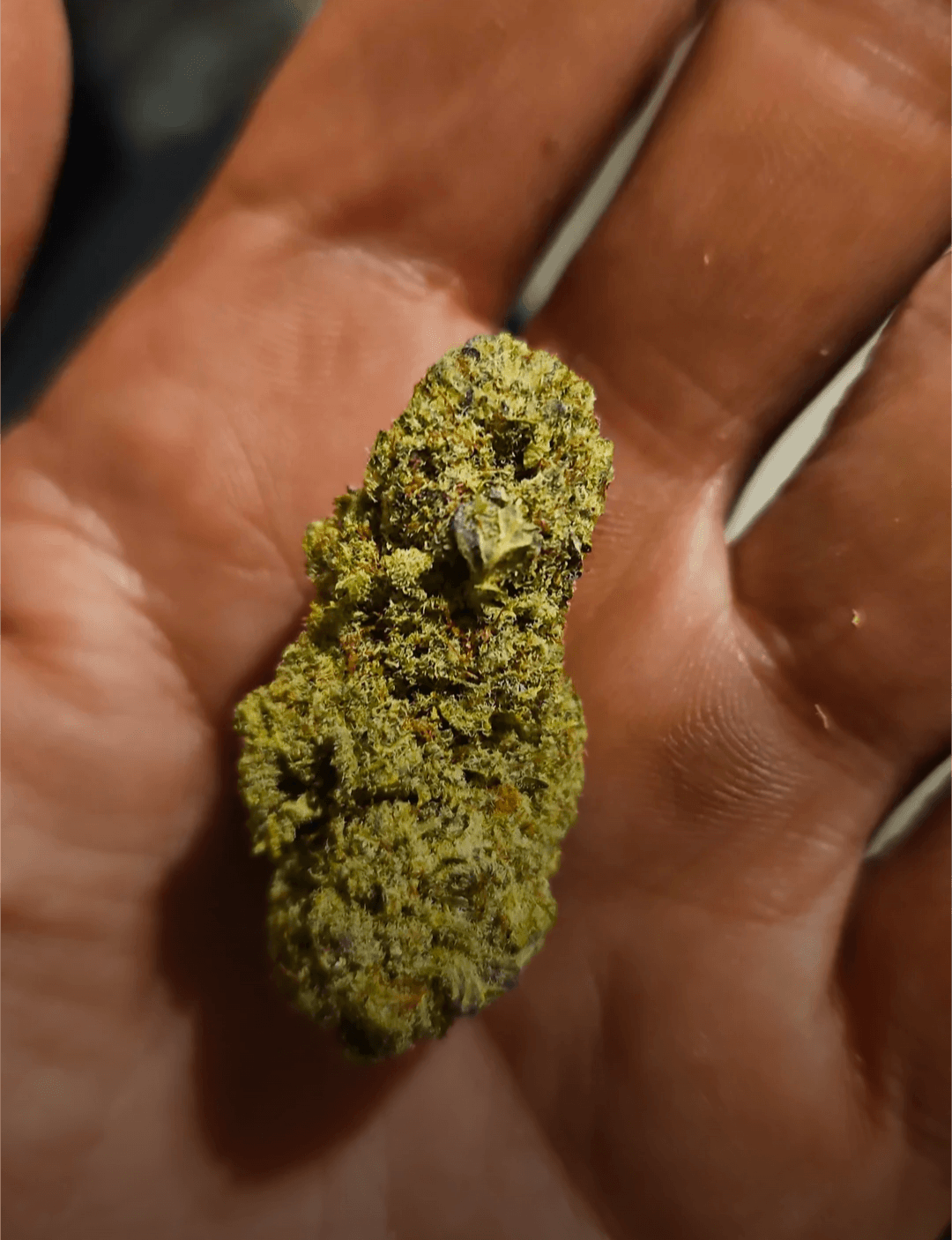
CBD Flower / Hemp Bud
Cannabinoids
VS
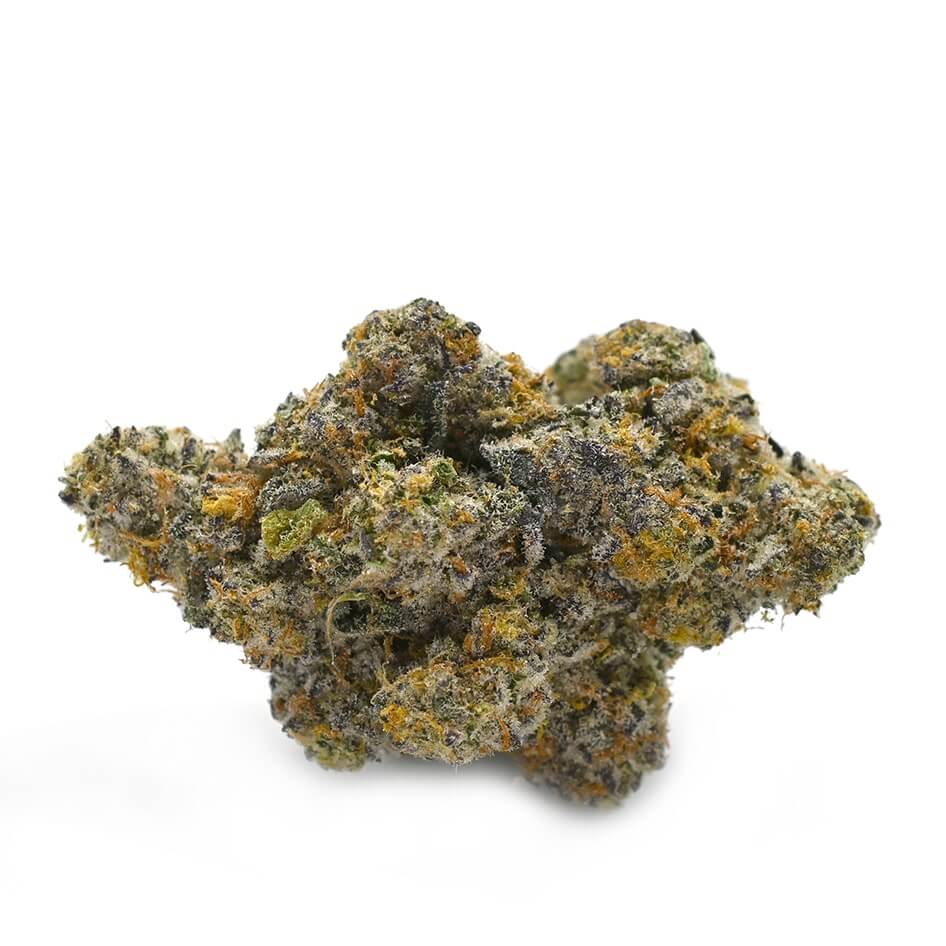
Cannabis (Weed)
Cannabinoids
CBD and THC are the two most famous cannabinoids. THC gets you high; CBD doesn't. They're sold side by side in the same shops, often in the same product — and confusing them is the #1 rookie mistake in the cannabis aisle.
CBD vs Weed — side by side
| CBD | Weed (THC) | |
|---|---|---|
| What it is | Non-psychoactive cannabinoid; hemp's main compound | Psychoactive cannabinoid; weed's main compound |
| Does it get you high? | No — no intoxication at any dose | Yes — euphoria, altered time, appetite |
| Drug test | Usually negative (full-spectrum products carry a small THC risk) | Positive |
| Evidence-supported uses | FDA-approved epilepsy drug (Epidiolex); anxiety/sleep claims under study | Chronic pain, spasticity, chemo nausea (pharmaceutical forms); recreational |
| Side effects | Mild — drowsiness, appetite change; interacts with blood thinners | Anxiety/paranoia at high doses, impairment, dependence possible |
| Legal (US) | Federally legal (hemp) | Federally illegal; state markets vary |
| Addiction potential | None demonstrated | Moderate (~10% of users develop use disorder) |
The verdict
CBD is the caffeine-free herbal tea of cannabinoids; weed is the espresso. CBD's real, proven medical value is narrow (seizure disorders) but genuine, and its safety profile is gentle. Weed is the full psychoactive experience with real benefits, real risks, and a mild but real dependence potential. They also work differently together — CBD can soften THC's edge, which is why balanced products exist.
?Frequently asked questions
Will CBD show up on a drug test?
Pure CBD shouldn't. But many products labeled CBD contain trace THC (full-spectrum), and contaminated or mislabeled products have caused positive tests — choose batch-tested isolate if testing matters.
Is CBD addictive?
No dependence or withdrawal has been demonstrated for CBD itself. It's one of the few cannabis-compound products you can stop cold without symptoms.