
MDMA vs Shrooms
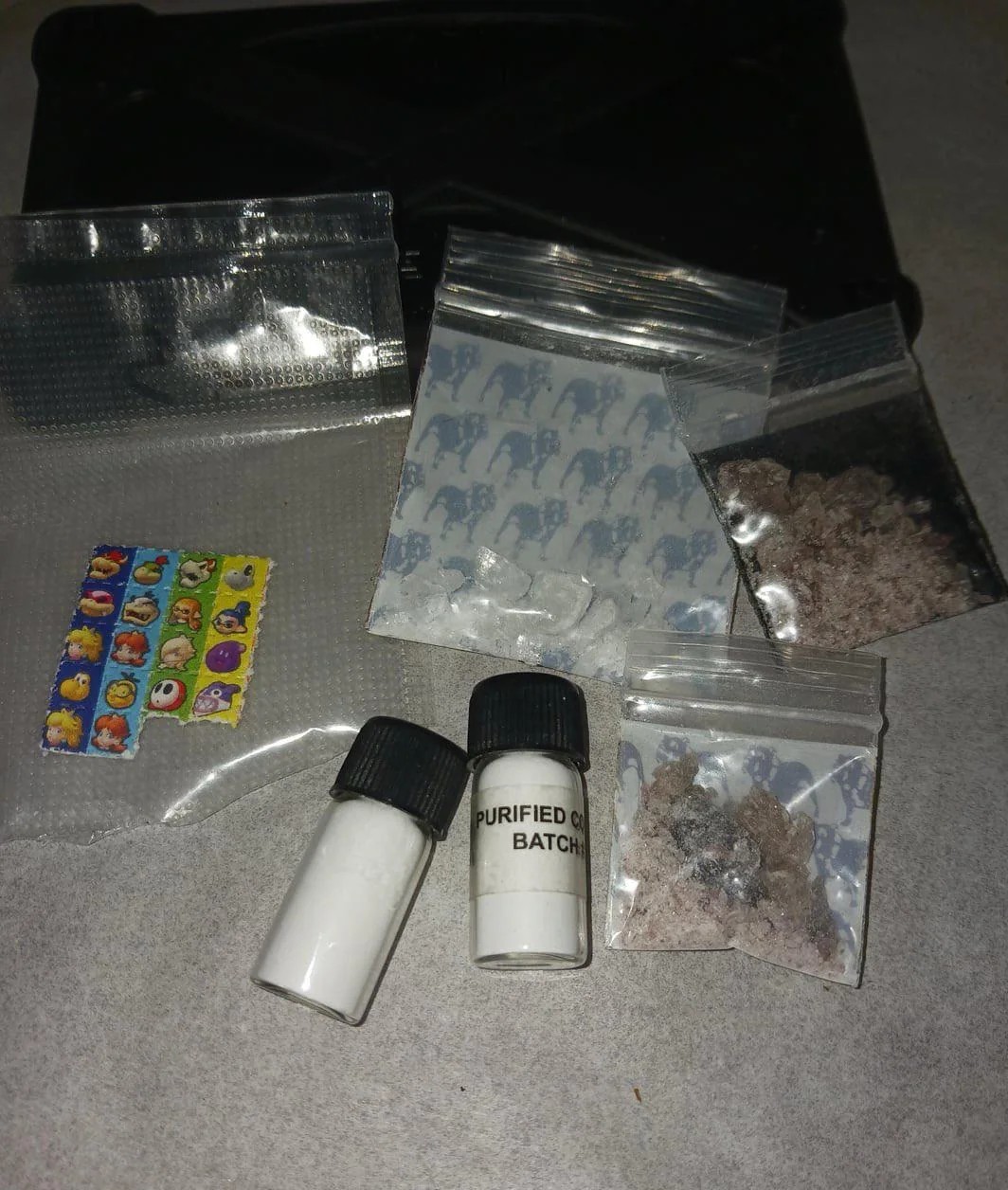
MDMA
Empathogens
VS
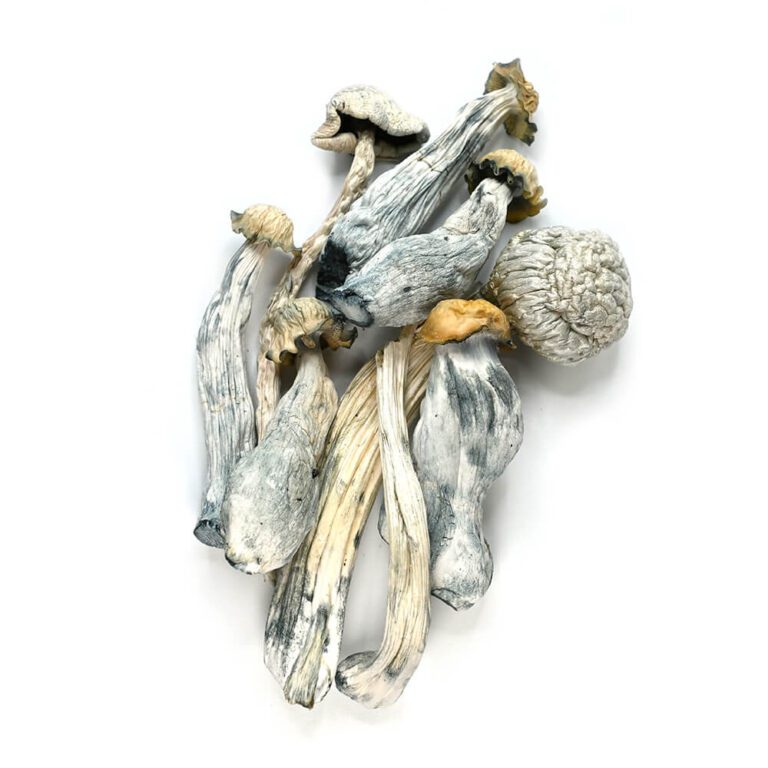
Psilocybin Mushrooms (Shrooms)
Psychedelics
MDMA and psilocybin are the two psychedelics with the strongest clinical evidence for therapy. MDMA is an empathogen — it opens emotional connection. Shrooms are a classic psychedelic — they dissolve the usual frame of mind. 'Hippie flipping' (taking both) exists precisely because they're so different.
MDMA vs Shrooms — side by side
| MDMA | Shrooms | |
|---|---|---|
| What it is | Empathogen — serotonin release agent | Tryptamine psychedelic |
| Primary target | Serotonin flood → love, trust, empathy | Serotonin 2A receptors → altered perception, insight |
| The 'character' | Heart-opening, social, touch feels divine | Inward, visual, meaning-laden, sometimes challenging |
| Duration | 3–6 h | 4–6 h |
| Therapy status | PTSD trials delivered strong results; FDA declined initial approval (2024), trials continue | Depression trial results led FDA breakthrough status; several near-approvals |
| Physical risks | Overheating, water toxicity, serotonin syndrome | Psychological distress; very low physical risk |
| Addiction potential | Low-moderate (weekend regimens can still form habits) | Very low (instant tolerance) |
The verdict
Different tools for different doors. MDMA softens defenses so therapy (or connection) can reach places it's locked away — hence PTSD trials. Shrooms dissolve the frame so new perspectives can form — hence depression trials. Both are among the safest drugs physically, and both punish casual misuse: MDMA with neurotoxicity from frequent use, shrooms with psychological tailspins in bad settings.
?Frequently asked questions
Which is better for therapy, MDMA or shrooms?
Different indications. MDMA-assisted therapy targets trauma/PTSD; psilocybin targets depression and end-of-life anxiety. Trials are substance-specific by design.
Is mixing MDMA and shrooms dangerous?
Hippie flipping is common but not free of risk: MDMA masks psilocybin's anxiety signals, extends the night, and both strain serotonin. Frequent combos increase the serotonin-depletion crash.