
Molly vs Ecstasy
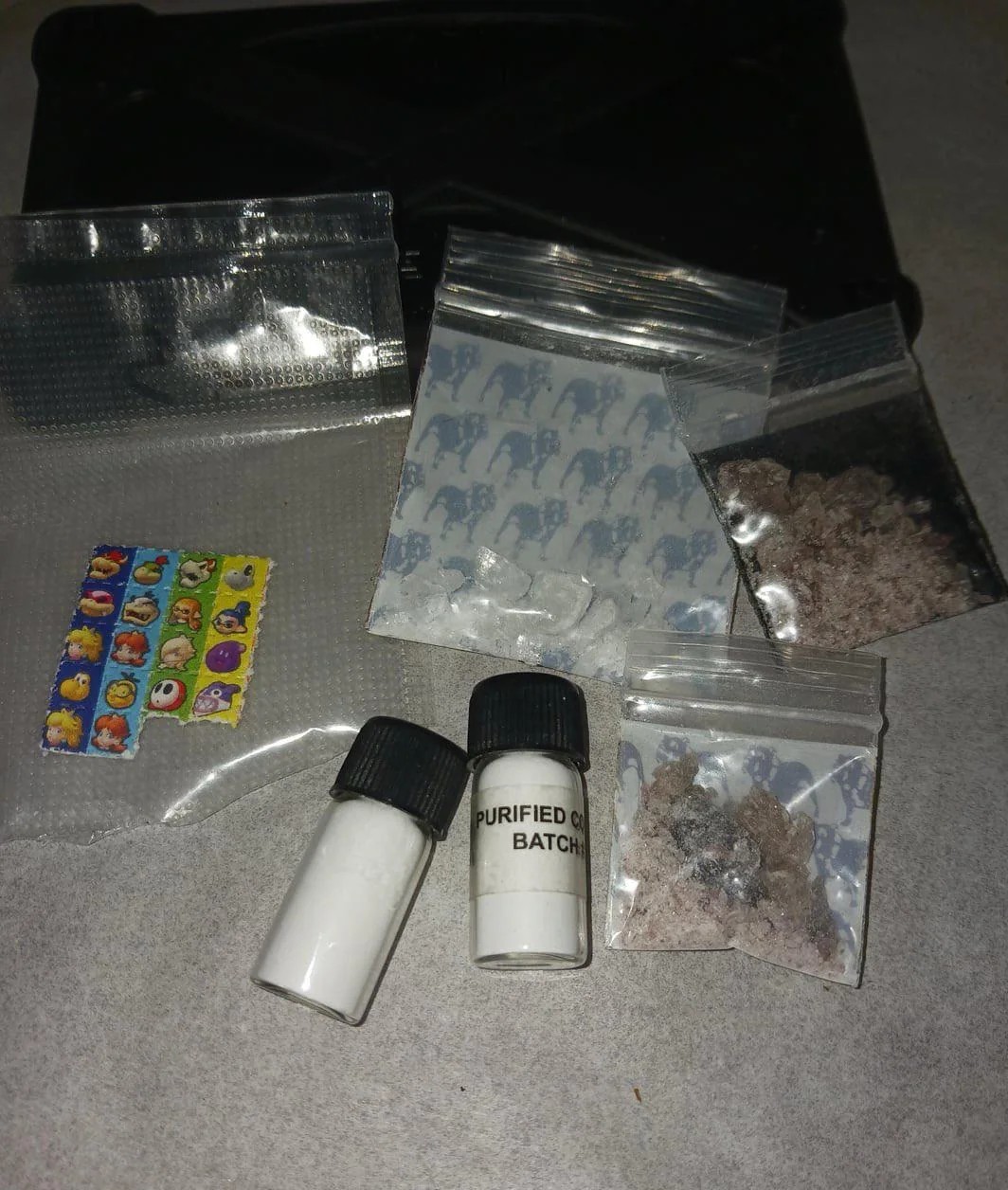
MDMA
Empathogens
VS
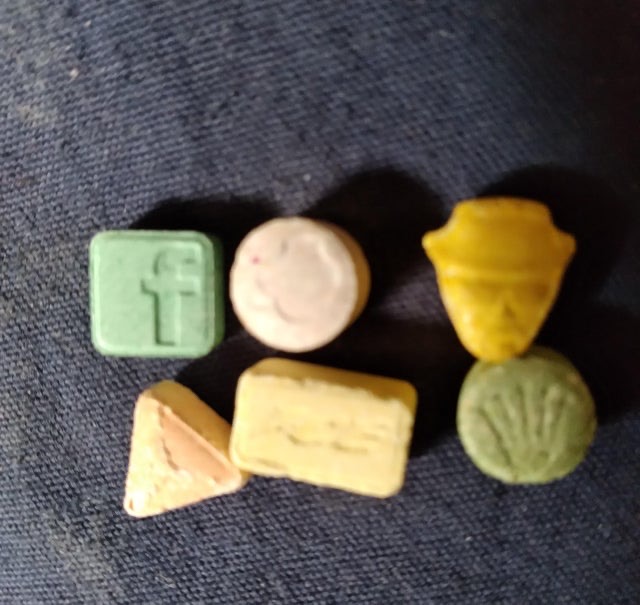
XTC Pills (ecstasy tablets)
Empathogens
Molly and ecstasy are supposed to be the same thing: MDMA. Molly is sold as pure powder or crystal; ecstasy (E, XTC) as pressed pills. The names differ — and so, often, does the contents. Neither word guarantees MDMA is what's inside.
Molly vs Ecstasy — side by side
| Molly | Ecstasy | |
|---|---|---|
| What it should be | Pure MDMA powder/crystal | MDMA pressed into pills with logos |
| What's actually inside | Often MDMA — but also cathinones (bath salts), caffeine, meth | Historically more adulterated; modern dark-web pills often ARE MDMA, sometimes at very high doses |
| Dose control | You can weigh powder (common dose 80–120 mg) | Pill strength varies wildly — 2020s pills range 50–300+ mg |
| How it's taken | Swallowed in capsules or 'bombed' in paper | Swallowed whole |
| Speed of onset | 30–60 min | 30–60 min (pill binders may slow slightly) |
| The market problem | 'Molly' became a brand — dealers sell anything crystalline under the name | Presses with logos mimic pharma, implying safety that doesn't exist |
| Price | ~$10–20 per point (100 mg) | ~$5–15 per pill |
The verdict
The honest answer: the molly-vs-ecstasy question is really a purity question, and the answer is 'test it.' Reagent kits (Marquis) and fentanyl strips cost a few dollars and are the difference between MDMA and a cathinone surprise. Modern ecstasy pills in regulated-adjacent markets are often genuine MDMA but frequently at double or triple the recommended dose — the current overdose route isn't adulterants, it's strength.
?Frequently asked questions
Is molly purer than ecstasy?
Historically yes — powder was harder to fake than pills. Today the line has blurred: pills from quality presses are genuine high-dose MDMA, and 'molly' powder is routinely adulterated. Testing beats assumptions.
What is a safe dose of MDMA?
Harm-reduction guidance centers on ~1–1.5 mg per kg body weight (typically 75–125 mg), with a possible small booster. Modern 250–300 mg pills exceed that several times over.