
THC-P vs Delta-9
C₂₃H₃₄O₂
THC-P (Tetrahydrocannabiphorol)
Cannabinoids
VS
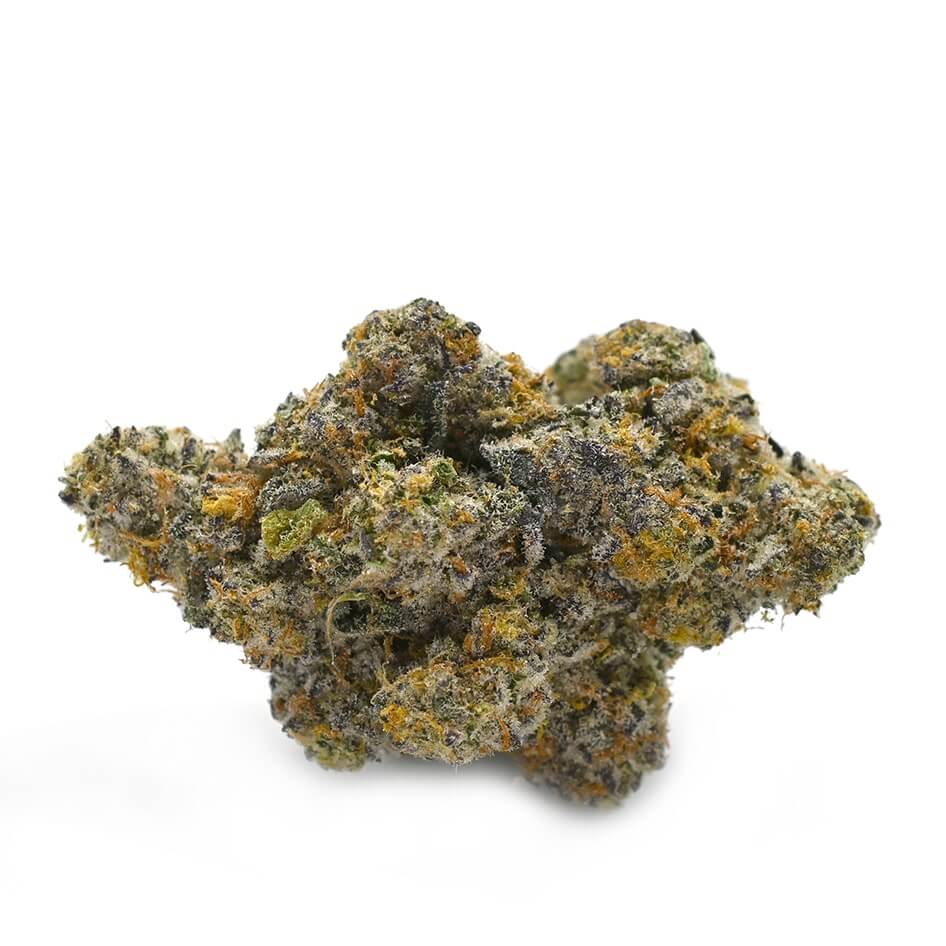
Cannabis (Weed)
Cannabinoids
THC-P is a naturally occurring but ultra-trace cannabinoid with a seven-carbon tail — making it bind to CB1 receptors up to 30 times more tightly than delta-9. It's the strongest 'legal hemp' cannabinoid ever sold, and products routinely blend it into delta-8 or HHC bases.
THC-P vs Delta-9 — side by side
| THC-P | Delta-9 (Weed) | |
|---|---|---|
| What it is | Natural cannabinoid found in trace amounts; commercial product is synthesized | The plant's main psychoactive compound |
| Receptor power | Binds CB1 ~30x more strongly than delta-9 (lab data) | Baseline |
| Real-world strength | Noticeably stronger per milligram; blends often feel 'deeper' than labeled | Predictable by strain and dose |
| Duration | Often reported longer — 6+ hours from edibles | 2–6 h |
| Safety data | Essentially none in humans | Decades |
| Legal (US) | Gray zone — 'naturally occurring' argument; several states banning | Federally illegal; state markets regulated |
| Products | Almost always blends (THC-P + delta-8/HHC); pure THC-P too strong to dose casually | Flower, carts, edibles, concentrates |
The verdict
THC-P is the proof that the hemp loophole rewards chemists, not consumers: a molecule 30 times stickier than THC, sold in unknown ratios inside gummies, with zero human safety data. A 1% THC-P blend can outpower ordinary delta-8 by design. Unlike THC-O it hasn't drawn an explicit federal ban yet — but regulators are circling, and the consumer-protection answer is the same: untested, unresearched, unprecedentedly potent.
?Frequently asked questions
Is THC-P stronger than regular weed?
Per milligram, yes — possibly several times. Most commercial THC-P is blended down precisely because pure doses are uncomfortably strong.
Is THC-P dangerous?
Unknown is the honest answer. No human safety studies exist. Its extreme receptor binding and long duration suggest naive users can easily take more than intended, especially with edibles.