Cocaine charges in Canada: possession vs trafficking, first offences, and what a record costs
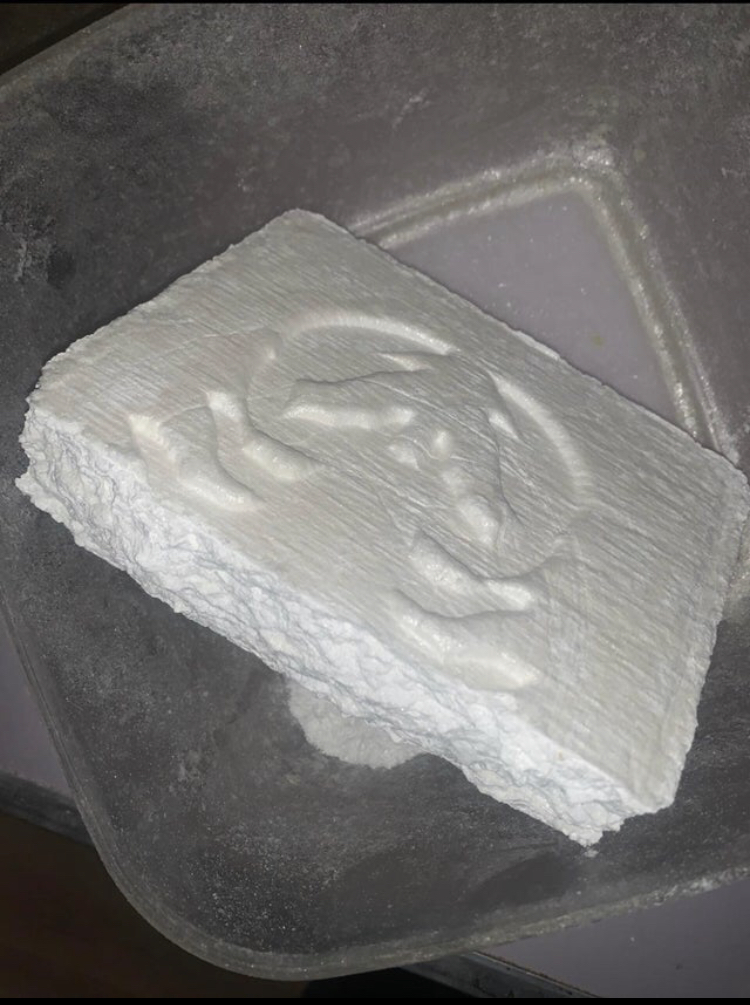
This page is general information, not legal advice — if you are facing charges, talk to a lawyer (every province has legal aid or duty counsel). But here is the honest lay of the land in 2026.
Call 911 first, worry about charges never — the Good Samaritan Drug Overdose Act protects you from simple-possession charges at an overdose scene. Details below.
Cocaine is a Schedule I substance under the Controlled Drugs and Substances Act (CDSA). There are three distinct ways a cocaine case is charged:
| Charge | Section | What it means | Maximum |
|---|---|---|---|
| Possession | s.4(1) | Having cocaine on you, in your car, in your home | 7 years (indictment); up to 6 months and/or $1,000 fine (summary, first offence) |
| Possession for the purpose of trafficking (PPT) | s.5(2) | Possession + intent to sell/share — inferred from quantity, baggies, scales, texts, cash | Life imprisonment |
| Importing / exporting | s.6(1) | Bringing cocaine across the border — including by mail | Life imprisonment |
Key trap: there is no legal "personal use" quantity. A few grams in one baggie looks like possession; the same grams split into ten baggies, or found beside a scale and a debt list, can be charged as PPT. Since Bill C-5 (2022) repealed mandatory minimums, sentencing is up to the judge — but trafficking convictions still normally mean prison.
Canadian courts treat simple possession — especially a first offence with no other charges — very differently from trafficking:
None of this is guaranteed — outcomes depend on the province, the Crown, the facts and your lawyer. But "first offence, small amount, no trafficking indicators" rarely ends in jail in 2026.
A trafficking or importation conviction is the life-changer:
If you call 911 — or stay at the scene — because someone is overdosing, the Act protects you (and the person overdosing) from charges for simple possession and from breach charges related to possession conditions. It does not shield trafficking, outstanding warrants, or other offences. It exists because fear of arrest kills people who would otherwise survive: make the call.
People often read sentencing pages while deciding whether their own use has gone too far. If that's the real question, two better reads:
Sources: Controlled Drugs and Substances Act ss.4–6; Department of Justice Canada (Bill C-5, mandatory minimum repeal, 2022); Good Samaritan Drug Overdose Act; provincial legal aid guidance.
Related: Is cocaine legal in Canada? · Buying cocaine online in Canada · Sentencing by region · Cocaine profile · Help lines

This site contains educational information about drugs and harm reduction. It is not medical or legal advice. You must be of legal age or accessing with intent to help yourself or someone else.