Fish scale cocaine and 'wash': what dealers actually mean
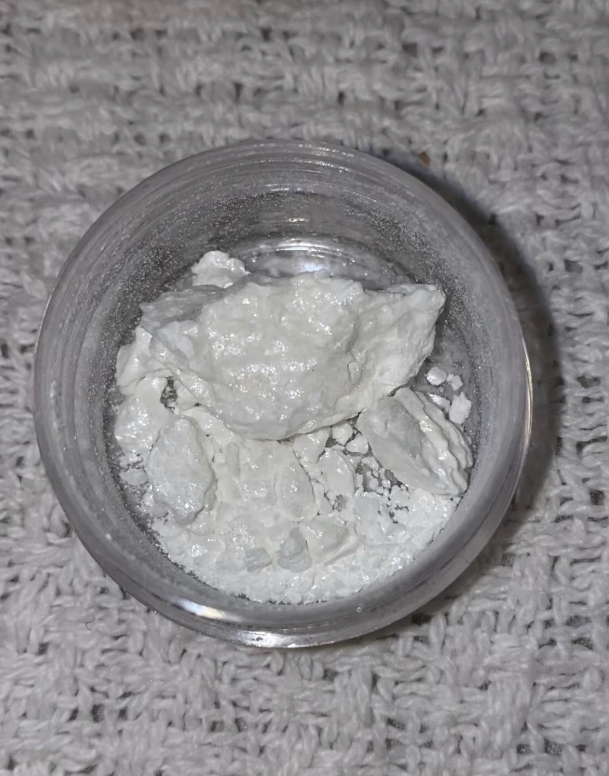
'Fish scale' is not a different drug, a different plant or a different synthesis. It is a description of appearance: cocaine hydrochloride that forms flat, pearly, iridescent flakes — like the skin of a fish. Hold a chunk up to the light and it shimmers slightly, breaking apart in thin layers rather than powdering into dust.
The look comes from how the cocaine was crystallized and handled. When cocaine HCl is properly precipitated, dried and minimally processed, it keeps that flaky, shimmering structure. Powdery, matte 'coke' is usually the same material after it has been crushed, re-pressed, or stepped on — each hand it passes through grinds the crystals down and mixes in whatever the dealer used to stretch it. So fish scale is traditionally read as a purity signal: shimmering flakes suggest the brick was not heavily re-rocked or cut at the last mile. That is all it is — a suggestion.
A shiny surface can be manufactured. Common tricks include boric acid or other shimmer powders dusted over low-grade re-pressed cocaine to imitate the pearlescent look, oil or wax coatings that give dull powder a greasy sheen, and cosmetic cuts like benzocaine or lidocaine that numb the gums on contact — the classic street 'purity test' that proves nothing except that a local-anesthetic cut is present.
'Wash' refers to a cleaning process, not a product. Two meanings circulate, and dealers blur them on purpose. The real one is acetone washing: cocaine dissolves in acetone while most common cuts — glucose, mannitol, creatine, baking soda, starch — do not. The powder is stirred into acetone, the undissolved filler is filtered out, and the cocaine is recovered as the solvent evaporates. Done carefully, this removes the bulk cutting agents and returns a smaller amount of noticeably purer material. The second meaning is pure marketing: on listings, 'washed' increasingly just means 'trust me, bro' — a word pasted onto ordinary coke to justify a higher price, the same way 'pure Peruvian flake' is used.
| What it does | Detail |
|---|---|
| Removes | Most powdered bulking agents — sugars, starches, salts — recovered cocaine is purer by weight |
| Fails on levamisole | The cattle-dewormer cut dissolves in the same solvents as cocaine, so it survives the wash — and it is linked to agranulocytosis (white-cell collapse) and necrotic skin lesions |
| Does not touch the cocaine itself | A washed product is a more concentrated version of the same cardiovascular stress, the same vasoconstriction, the same overdose risk per milligram |

This site contains educational information about drugs and harm reduction. It is not medical or legal advice. You must be of legal age or accessing with intent to help yourself or someone else.