Ketamine Nasal Spray: the Spravato confusion, the dosing trap, and the bladder damage nobody warns you about
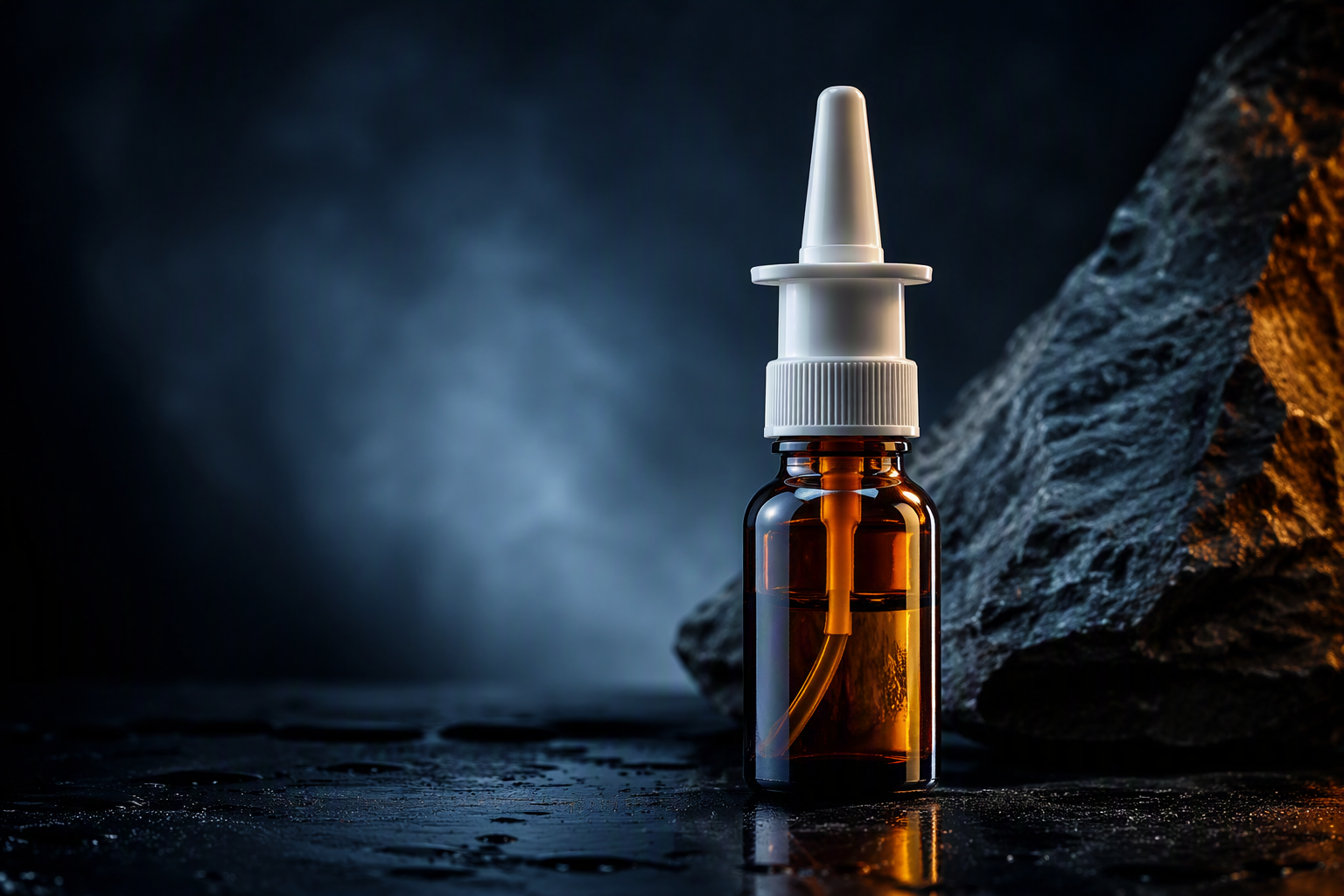
There are really two things called "ketamine nasal spray," and mixing them up is where the trouble starts.
The first is Spravato (esketamine) — a prescription spray for treatment-resistant depression, made by Janssen, taken in a clinic under observation because of its dissociation and blood-pressure effects. It is precisely dosed (28 mg or 84 mg per device), pharmacy-sealed, and legally dispensed.
The second is everything else: street sprays made by dissolving ketamine powder — or crushed tablets — in water or saline and pouring it into a nasal spray bottle. Sold on Telegram, passed around at festivals, sometimes marketed as "microdose sprays." The concentration is whatever the maker felt like that day. The myth is that spraying is cleaner and more controlled than snorting lines. The reality is almost the opposite: with a homemade spray, the dose per pump is unknown, the powder may be cut, and the fast nasal onset means the k-hole arrives before you have time to reconsider.
A line of ketamine lets you see roughly how much powder you're taking. A spray bottle hides it completely. One bottle might deliver 5 mg per pump; the next, from the same seller, might deliver 30 mg. Users routinely redose because "the first spray did nothing" — and the second pump lands while the first is still climbing. That is exactly how an evening turns into a k-hole in a bathroom stall.
Street ketamine is already variable — purity ranges widely, and powders are commonly cut with MSG, caffeine, or other dissociatives. Dissolving an unknown amount of that powder in an unknown volume of water removes the last rough gauge users had: visual size. There is no way to eyeball concentration in a liquid.
If you are going to use it regardless, the only defensible move is to test one pump first and wait at least 20 minutes before any second — nasal ketamine onsets in 5–15 minutes and peaks later than users expect.
Nasal absorption bypasses nothing — ketamine sprayed up the nose hits the bloodstream quickly through the nasal mucosa. The dissociative effect that experienced users call a k-hole — full-body detachment, inability to move or speak coherently, time distortion — can arrive within minutes of a strong pump.
Someone in a deep k-hole cannot protect themselves: they may be immobile, unable to call for help, vomiting while lying on their back. If someone near you is unresponsive but breathing after ketamine, put them in the recovery position, stay with them, and call emergency services if breathing is slow or they cannot be roused. Ketamine overdoses are rarely fatal alone — but mixing with alcohol, GHB, opioids, or benzos changes that completely, because every one of those adds respiratory depression on top.
This is the section that matters most for regular users, and the one TikTok never mentions. Ketamine destroys the bladder lining. Heavy or frequent use causes ketamine-induced cystitis: urinary frequency, urgency, pain, blood in the urine, and — in advanced cases — a bladder so scarred and shrunken it holds a fraction of its normal volume. Some long-term users have needed bladder removal surgery in their twenties.
The damage is dose- and frequency-related, appears in some users within months of heavy use, and is only partially reversible. Early warning signs:
If any of these show up, stop completely and see a doctor — and tell them it is ketamine. Continuing to use through bladder symptoms is how a treatable irritation becomes a surgical problem.
If someone is going to use ketamine nasal spray despite all of the above:
Spraying ketamine does not sanitize it. It removes the one rough dose-gauge users had, accelerates the onset, and — with heavy use — quietly wrecks the bladder while users are watching for other problems. If bladder symptoms have already started, or if use has become daily, our ketamine recovery guide below covers what quitting actually involves, including what to expect as the bladder heals.

This site contains educational information about drugs and harm reduction. It is not medical or legal advice. You must be of legal age or accessing with intent to help yourself or someone else.