Why the Prairies lead Canada's meth map: what the wastewater data shows
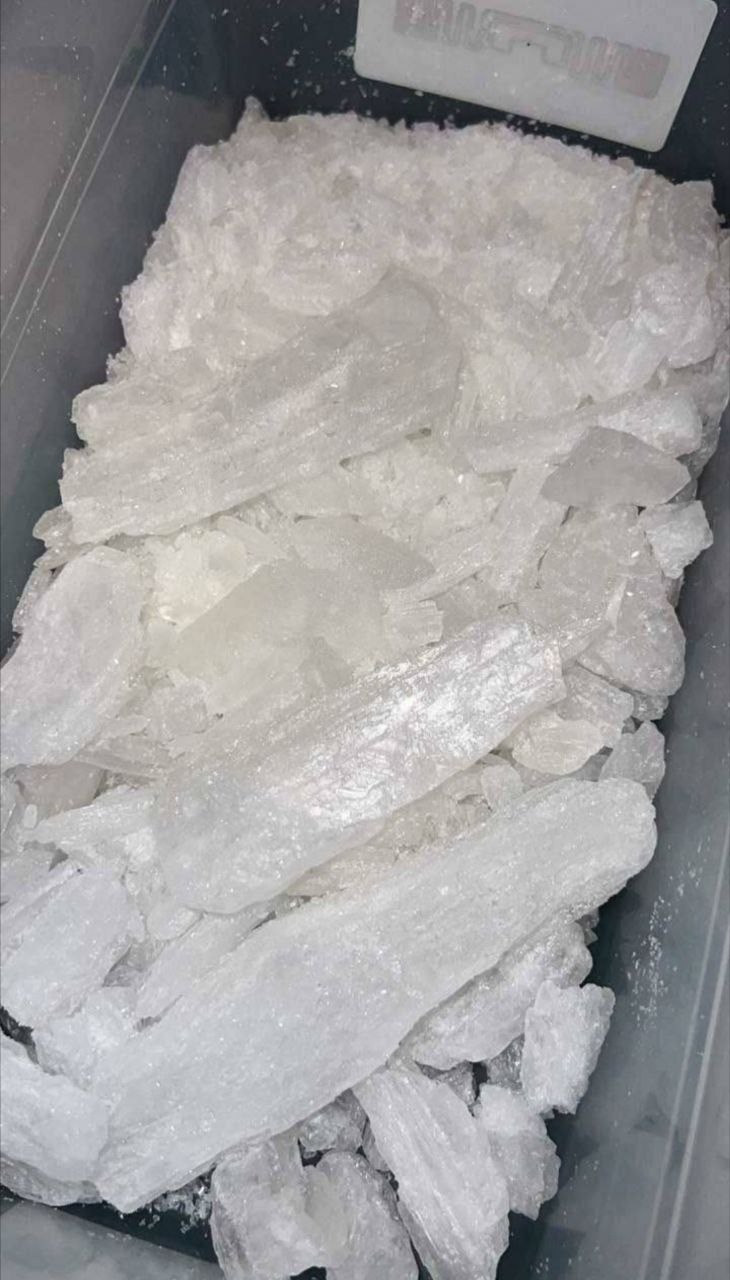
Statistics Canada's Canadian Wastewater Survey doesn't ask anyone anything — it measures what entire cities flush. Methamphetamine consumed in a city shows up in its sewage within hours, which makes wastewater the most honest drug-use data Canada publishes. The September 2026 release made one finding impossible to ignore: Prince Albert, Saskatchewan — a city of about 38,000 — posts the highest per-capita meth load in the country, roughly nine times Toronto's.
Emergency: 911. Saskatchewan: 811 or 1-877-800-0002 · Manitoba AFM: 1-855-662-6605 · Alberta: 1-866-332-2322. Using alone: National Overdose Response Service 1-888-688-6677.
The survey samples treatment plants serving millions of Canadians and reports drug loads per 1,000 people per day:
See the full picture in our Canadian meth city ranking and cocaine ranking.
Researchers and front-line workers point to a combination rather than a single cause:
Prairie services are stretched, but they exist and the first call is free and confidential:
Meth withdrawal is brutal but not usually medically dangerous — the crash (days of sleep, hunger, depression) peaks in the first week. The dangerous moment is psychosis during use, and relapse into a contaminated supply. What quitting stimulants actually looks like, day by day.
Sources: Statistics Canada, Canadian Wastewater Survey (September 2026 release); CBSA seizure reporting (Coutts, July 2026); Public Health Agency of Canada stimulant-harms data; Health Canada Canadian Substance Use Survey.
Related: Methamphetamine profile · Buying meth online in Canada · Meth cities: Canada · Meth prices in Canada · Quit meth · Help lines

This site contains educational information about drugs and harm reduction. It is not medical or legal advice. You must be of legal age or accessing with intent to help yourself or someone else.