
Codeine vs Hydrocodone
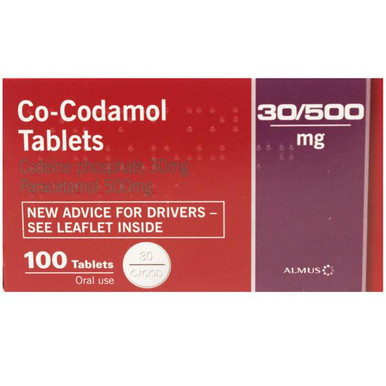
Codeine 30/500 mg (co-codamol)
Opioids
VS
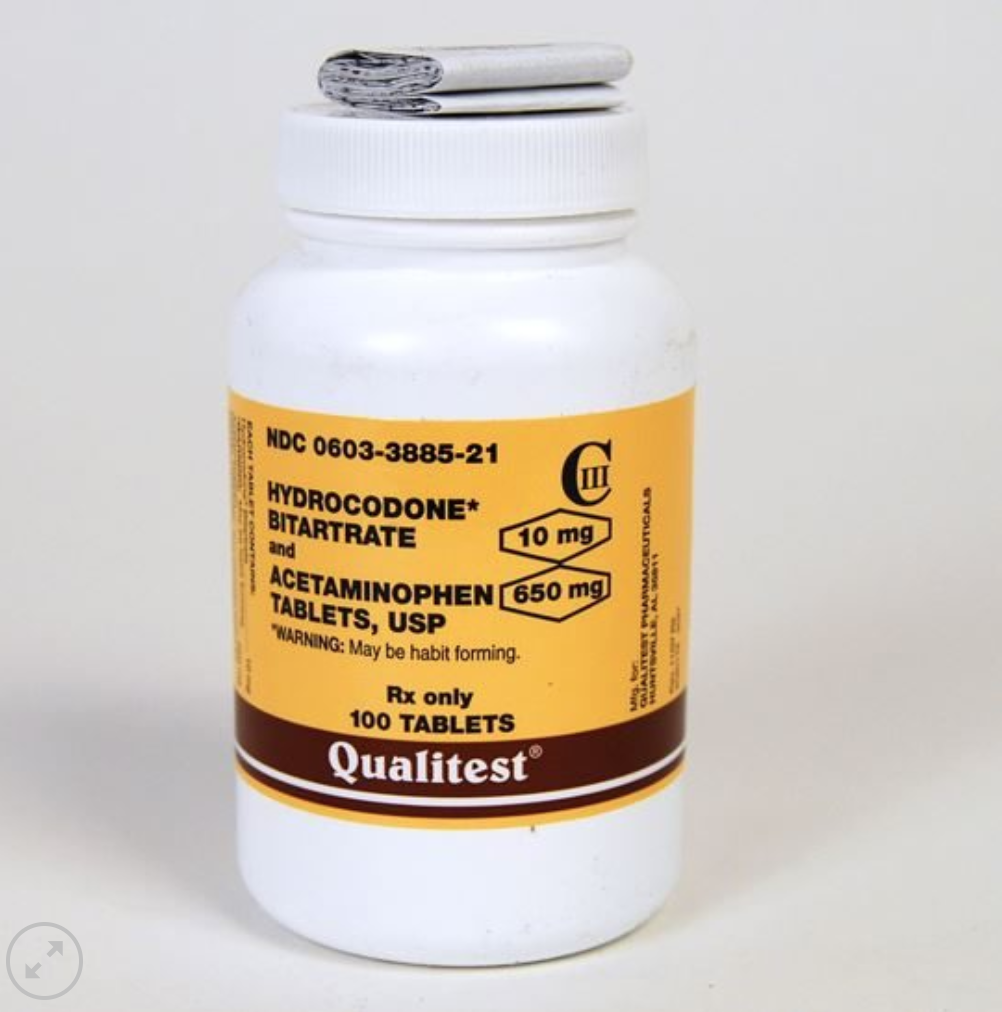
Hydrocodone 10/500 mg
Opioids
Codeine is the gentlest prescription opioid — cough syrup's active ingredient, metabolized into morphine by the liver. Hydrocodone is several steps stronger. Codeine's 'mildness' comes with a genetic catch: some people's livers turn it into morphine far too efficiently.
Codeine vs Hydrocodone — side by side
| Codeine | Hydrocodone | |
|---|---|---|
| What it is | Mild opioid for cough and light pain; often with paracetamol | Stronger opioid for moderate-severe pain |
| Strength | ~1/10 of morphine per mg — the weakest Rx opioid | ~1x morphine per mg |
| The genetic catch | Ultra-rapid metabolizers can overdose on a normal dose; poor metabolizers get nothing | No such cliff — effect is predictable |
| Addiction risk | Real — lean/sizzurp culture is codeine-based | Very high |
| Overdose danger | Breathing slowdown; paracetamol in combos adds liver risk | Stronger respiratory depression |
| Withdrawal | Milder opioid flu | Full-strength opioid flu |
| Price & legal | Schedule V/III (US); cheap | Schedule II (US); ~$0.50–1.5 per mg street |
The verdict
Hydrocodone is the stronger and more abusable drug — it's a Schedule II painkiller while codeine cough syrups sit at Schedule V (where state law allows). But codeine carries a quirk that can kill unpredictably: genetic ultra-rapid metabolizers convert it to morphine so fast that a standard dose can stop their breathing. Kids and breastfeeding infants have died this way — codeine is restricted in children under 12.
?Frequently asked questions
Is codeine stronger than hydrocodone?
No — hydrocodone is roughly 10 times stronger per milligram. Codeine must first convert to morphine in the liver, which is why its effect is weak and unpredictable.
Why is codeine in cough syrup?
At low doses it suppresses the cough reflex. It's one of the oldest drug uses in existence — and the origin of 'lean' culture when mixed with soda and candy.