
OxyContin vs Oxycodone
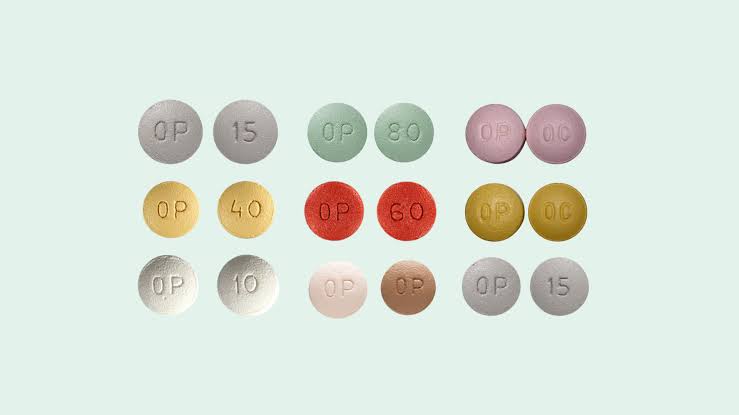
OxyContin
Opioids
VS
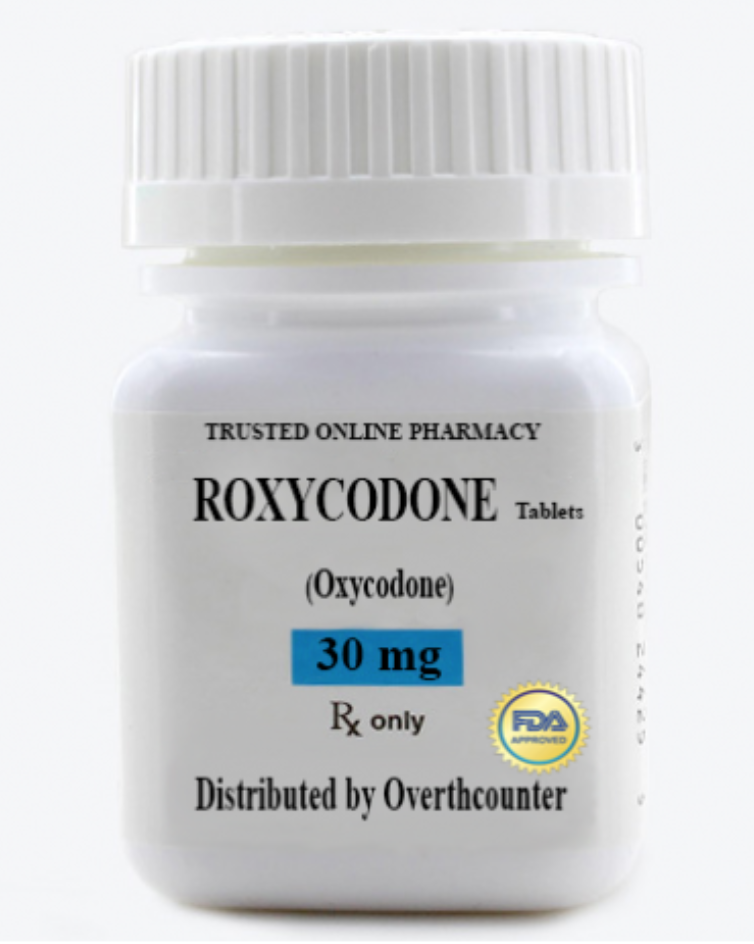
Oxycodone (Roxicodone 30 mg)
Opioids
OxyContin IS oxycodone — the same opioid in a time-release shell designed to last 12 hours. The difference is how the dose arrives: slowly and steady, or all at once. That shell made OxyContin both a medical breakthrough and the most abused pill of the 2000s.
OxyContin vs Oxycodone — side by side
| OxyContin | Oxycodone | |
|---|---|---|
| What it is | Extended-release oxycodone tablet (10–80 mg) | Immediate-release oxycodone pill (5–30 mg) |
| How the dose arrives | Spread over 8–12 hours | All at once, 4–6 hours of effect |
| How it feels | Steady pain control; little 'rush' when taken as designed | Faster onset; more noticeable euphoria |
| Abuse pattern | Crushing defeats the time-release → the full 12-hour dose hits at once | Already immediate — snorting or injecting is direct |
| Addiction risk | Very high — especially the crush-and-snort era pills | Very high |
| Overdose danger | Crushed or chewed = massive instant dose → respiratory arrest | Standard opioid overdose risk |
| Price & legal | Schedule II (US); ~$0.50–1 per mg street | Schedule II (US); ~$1–2 per mg street |
The verdict
Same drug, different delivery. Medical value of OxyContin: fewer pills, steadier levels. Danger: a single 80 mg tablet contains an entire day's dose — if the time-release is defeated (crush, chew, dissolve) it can stop an opioid-naive person's breathing within the hour. Reformulation in 2010 made pills harder to crush but didn't remove the risk. Both are Schedule II, both hook fast, both overdose the same way.
?Frequently asked questions
Is OxyContin stronger than oxycodone?
Per milligram, no — it's the same molecule. But one OxyContin 80 contains as much oxycodone as sixteen 5 mg pills, so the total per tablet is far larger.
Why was OxyContin so addictive?
The 12-hour promise often wore off in 8, leaving withdrawal between doses, while the crushable format delivered an enormous instant hit. Aggressive marketing multiplied both problems.