
Fentanyl vs Morphine
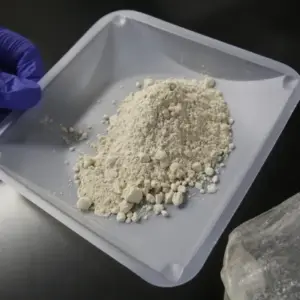
Fentanyl
Opioids
VS
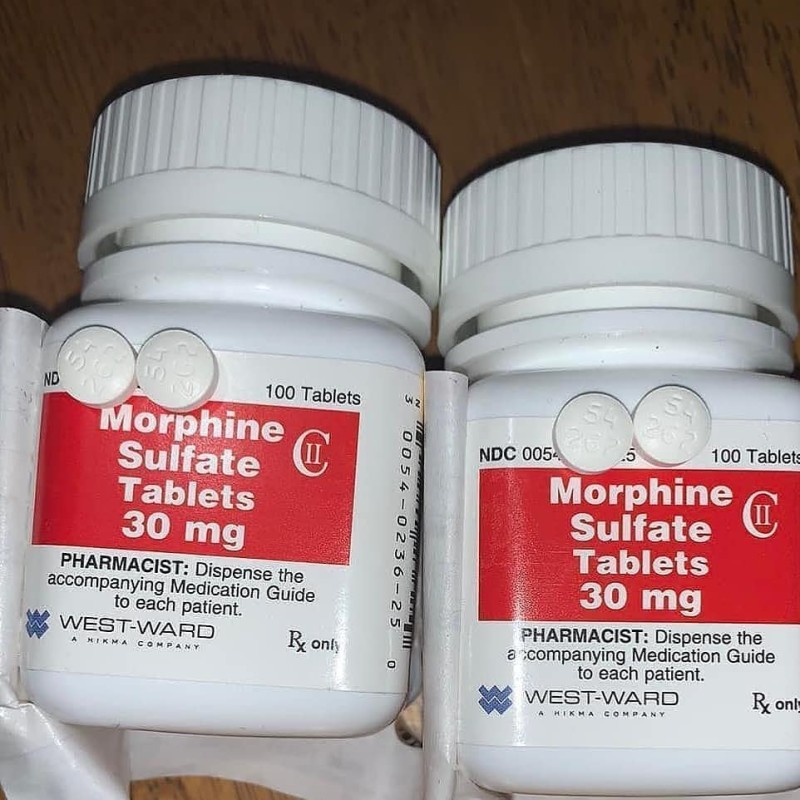
Morphine 60 mg
Opioids
Morphine is the century-old reference standard for pain. Fentanyl is its synthetic super-concentrate — 50 to 100 times stronger — used in patches and surgery precisely because tiny amounts do the job. That same property makes illicit fentanyl so lethal.
Fentanyl vs Morphine — side by side
| Fentanyl | Morphine | |
|---|---|---|
| What it is | Ultra-strong synthetic opioid; patches, surgery, hospice | The original opioid; the yardstick (MME) for all others |
| Strength | 50–100x morphine; active in micrograms | The reference: 1.0 MME |
| How it's used | Patches release over days; surgical IV doses in micrograms | Pills, IV, pumps — milligram doses |
| Adddose risk | A patch holds days of drug — heat, damage or misuse dumps it at once | Larger volumes needed; slower to reach lethal blood levels |
| Overdose danger | Microgram margins; the #1 overdose killer in the US | Dangerous but with a wider safety gap |
| Withdrawal | Fast and violent | Classic, better-characterized flu |
| Price & legal | Schedule II medicine; illicit supply dirt cheap per dose | Schedule II; ~$0.50–1 per mg street |
The verdict
Medicinally, fentanyl exists because a drug 100x stronger can be dosed in micrograms — ideal for patches and surgery. Recreationally, that math inverts: the line between a dose and a death shrinks to powder specks. Morphine's age is an advantage — every doctor knows its behavior. There is no recreational context where fentanyl's potency is anything but danger.
?Frequently asked questions
How much stronger is fentanyl than morphine?
50–100 times per milligram, depending on route. This is why fentanyl is dosed in micrograms and morphine in milligrams.
Are fentanyl patches dangerous?
Used as prescribed they're one of medicine's tools. The danger comes from cutting, heating or chewing a patch — it can release the entire multi-day dose at once.