
Kratom vs Suboxone
C₂₃H₃₀N₂O₄
Kratom (Mitragyna speciosa)
Opioids
VS
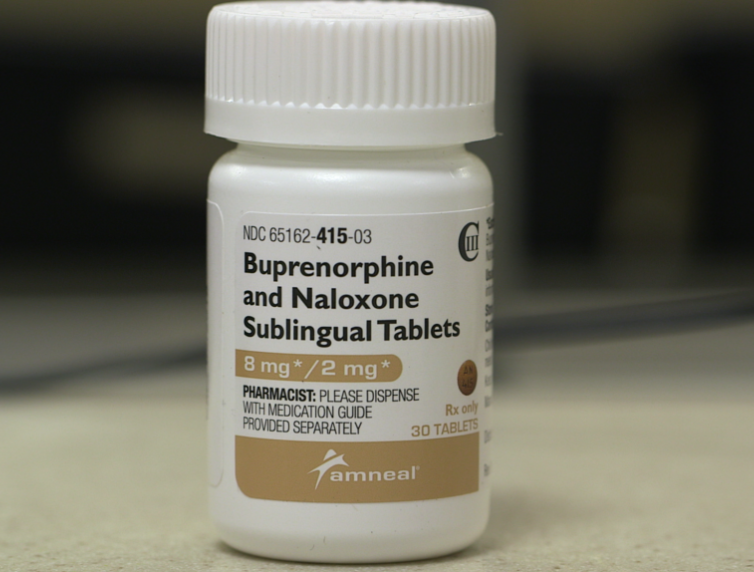
Suboxone (buprenorphine/naloxone)
Opioids
Kratom is a Southeast Asian leaf with opioid-like effects, sold legally in much of the US. Suboxone is the FDA-approved medication for opioid addiction. People constantly compare them — usually because they're self-treating withdrawal with one or the other.
Kratom vs Suboxone — side by side
| Kratom | Suboxone | |
|---|---|---|
| What it is | Plant leaf (mitragynine); no approved medical use | Buprenorphine + naloxone; FDA-approved for opioid addiction |
| What it does | Mild-moderate opioid effect; eases withdrawal at low doses | Fully controls withdrawal and cravings; ceiling on overdose |
| Evidence base | Weak — anecdotes and small studies | Strong — decades of trials; cuts overdose deaths ~50% |
| Dependence | Yes — daily use causes opioid-type dependence | Yes — managed dependence, medically supervised |
| Product reliability | No standards — contamination and strength swings documented | Pharmaceutical consistency |
| Legal | Legal in most US states; banned in 6+; federal review ongoing | Rx-only, Schedule III |
| Cost | ~$8–15 per ounce; extracts/shots far more | Covered by many insurance plans; generics cheap |
The verdict
Kratom is a folk remedy with a real but modest effect and zero quality control; Suboxone is medicine with a track record. People use kratom to escape opioid dependence and frequently end up with a new, unregulated dependence — clinics now report treating kratom withdrawal. If you're choosing between them for opioid addiction, Suboxone is the evidence-backed choice; if you're using kratom casually, know that concentrates and 7-OH products behave like real opioids.
?Frequently asked questions
Can kratom help with Suboxone withdrawal?
Some people report it helps, but buprenorphine withdrawal is long, and kratom adds its own dependence risk. A supervised taper is safer than layering substances.
Is kratom safer than Suboxone?
Suboxone is safer per dose (ceiling effect, known contents). Kratom's plant variability and contaminant history make it the wild card — 'natural' doesn't mean predictable.