
Tramadol vs Hydrocodone
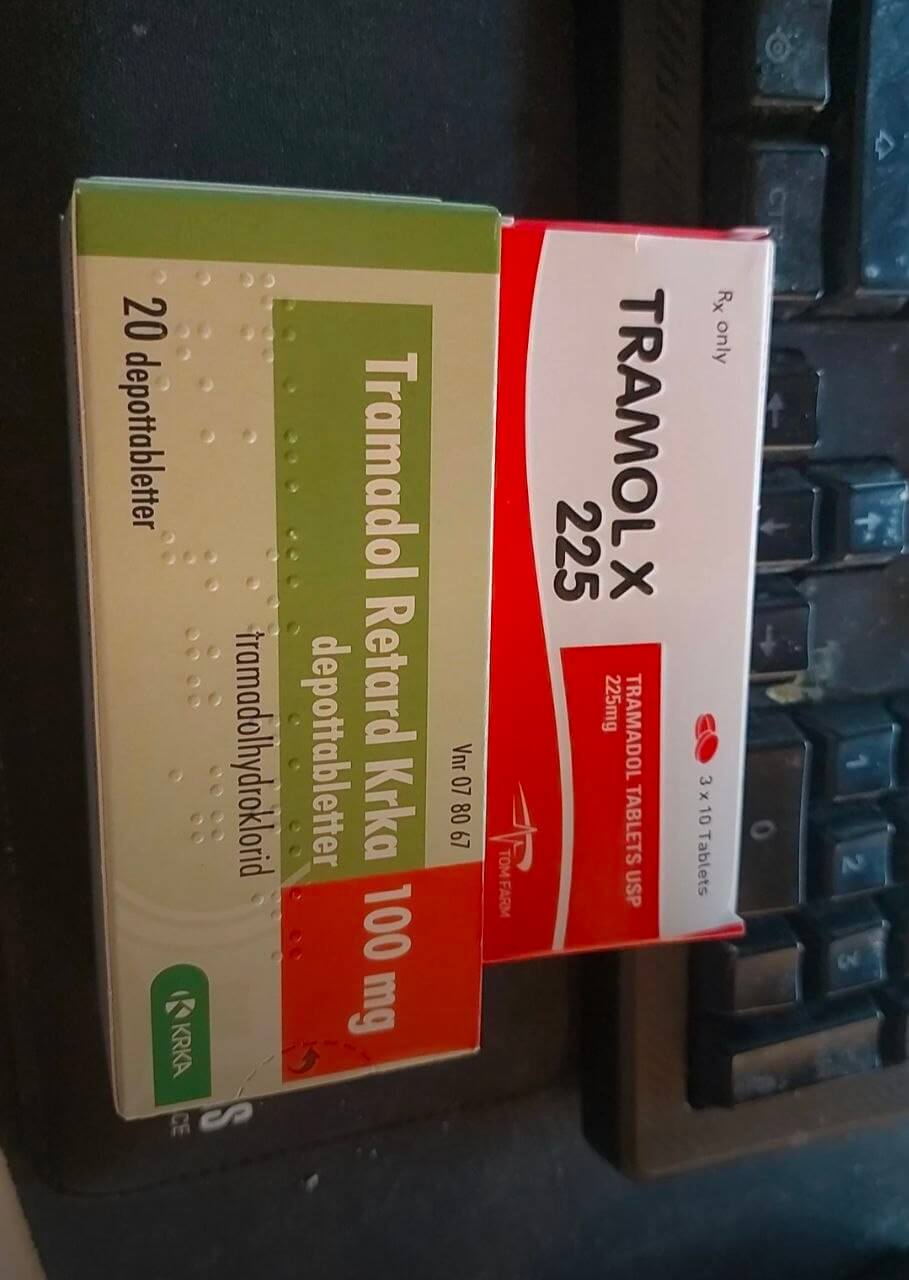
Tramadol (Ultram)
Opioids
VS
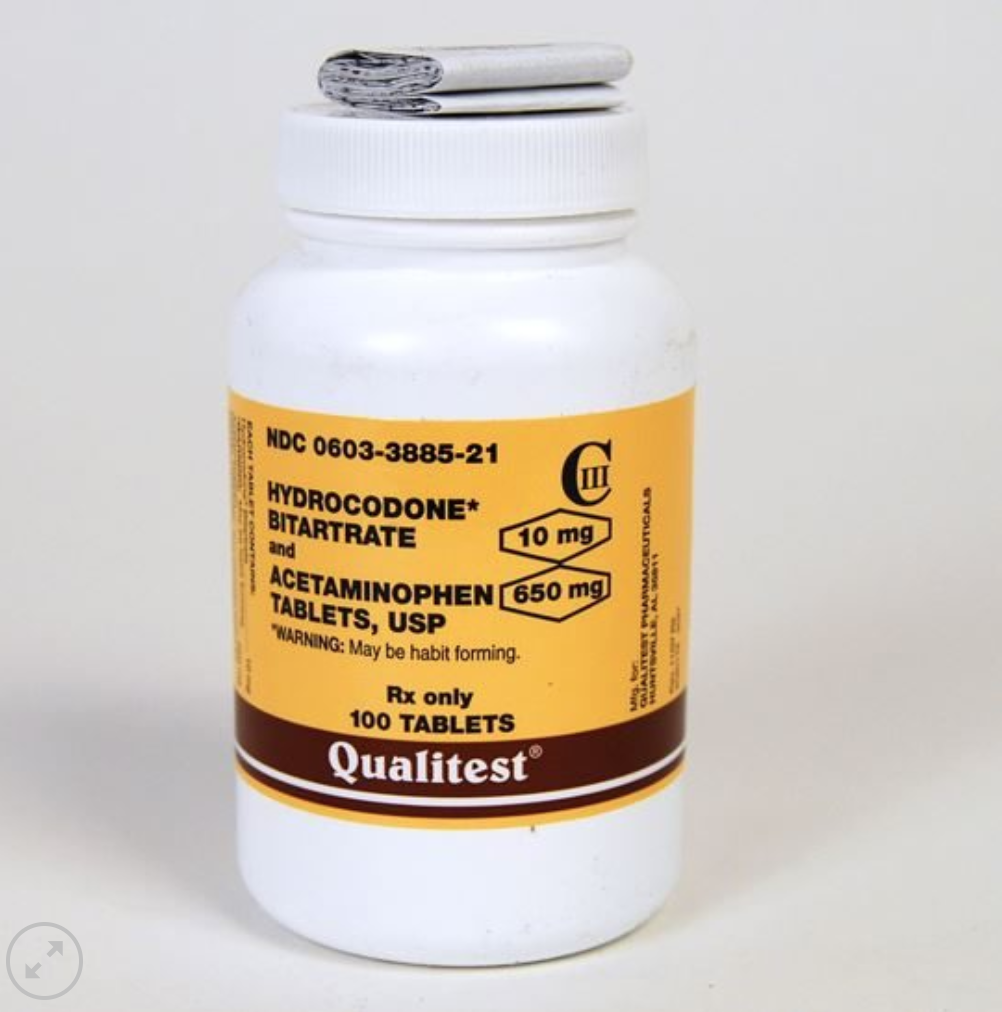
Hydrocodone 10/500 mg
Opioids
Tramadol was sold for years as the 'safer, weaker' opioid — not a controlled drug at all until 2014. It's weaker than hydrocodone for pain, but it carries two extra dangers hydrocodone doesn't: seizure risk and a nasty interaction with antidepressants.
Tramadol vs Hydrocodone — side by side
| Tramadol | Hydrocodone | |
|---|---|---|
| What it is | Weak opioid + serotonin/norepinephrine reuptake effects | Standard semi-synthetic opioid painkiller |
| Strength | Roughly 1/10 of morphine per mg — much weaker | ~1x morphine per mg |
| How it feels | Mild warmth at low doses; shakiness or seizures at high doses | Classic opioid effect |
| Addiction risk | High — dependence forms even at prescribed doses | Very high |
| Overdose danger | Breathing slowdown at high doses; seizures; serotonin syndrome with SSRIs/SNRIs/MAOIs | Breathing stops — especially with alcohol or benzos |
| Withdrawal | Two-front withdrawal: opioid flu PLUS antidepressant-style brain zaps | Classic opioid flu |
| Price & legal | Schedule IV (US); cheap; ~$1–3 per pill street | Schedule II (US); ~$0.50–1.5 per mg street |
The verdict
'Weaker' doesn't mean 'safer'. Tramadol's double action — opioid plus antidepressant — gives it two withdrawal syndromes and a seizure risk that hydrocodone lacks. It can also push susceptible people into serotonin syndrome, a medical emergency. Hydrocodone is the stronger overdose killer. If you're on an antidepressant, tramadol is the more dangerous pill of the two.
?Frequently asked questions
Is tramadol stronger than hydrocodone?
No — it's roughly a tenth as strong per milligram. But strength and safety are different axes: tramadol adds seizure and serotonin risks.
Why is tramadol Schedule IV and hydrocodone Schedule II?
Because regulators judged its lower potency and (initially) lower abuse rates. Real-world data since 2014 has erased most of that distinction — tramadol dependence is now well documented.