
Suboxone vs Methadone
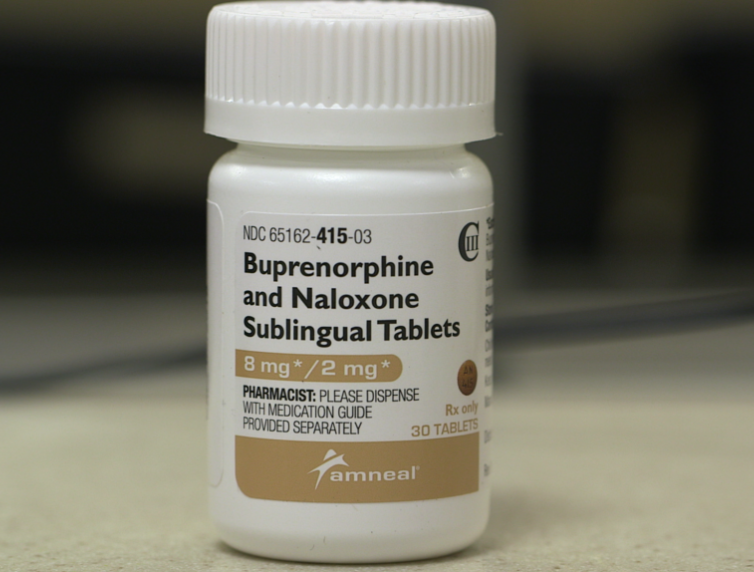
Suboxone (buprenorphine/naloxone)
Opioids
VS
C₂₁H₂₇NO
Methadone
Opioids
Suboxone (buprenorphine/naloxone) and methadone are the two medications that treat opioid addiction. Both stop cravings and withdrawal; both save lives. The choice is a trade between flexibility and raw stopping power.
Suboxone vs Methadone — side by side
| Suboxone | Methadone | |
|---|---|---|
| What it is | Partial opioid + overdose-blocker; ceiling on breathing depression | Full opioid; the oldest, strongest addiction treatment |
| How it's taken | Film/tablet under the tongue; some take-homes from day one | Liquid drunk daily at a clinic; take-home doses earned over months |
| Strength vs overdose | Ceiling effect makes fatal overdose much harder | No ceiling — overdose possible, especially in the first 2 weeks |
| Craving control | Good for mild-moderate dependence | Strongest craving control available |
| Flexibility | Doctor's office prescription; fits work and family life | Daily clinic visits at first — hard with jobs or distance |
| Withdrawal to switch | Must be in mild withdrawal before first dose | Can start immediately after last use |
| Misuse potential | Low — naloxone blocks injection; ceiling limits the high | Moderate — diverted doses have street value |
The verdict
Methadone is the sledgehammer — the best option for severe, long-term dependence, especially fentanyl-era habits, but it demands daily clinic discipline and carries real overdose risk early on. Suboxone is the Swiss Army knife — safer by design (naloxone + ceiling), prescribable by regular doctors, compatible with normal life. The 'better' drug is the one you can actually stay on; both roughly halve overdose death risk versus no medication.
?Frequently asked questions
Is Suboxone just replacing one addiction with another?
No — it's medication for a chronic condition. A stable Suboxone patient isn't intoxicated, doesn't crave, and can work and parent. The alternative statistic: unmedicated opioid addiction carries a 1–2% annual death rate.
Which is easier to get off of?
Neither is easy. Suboxone withdrawal is usually shorter and milder; methadone's long half-life makes its withdrawal slow and grinding. Both should be tapered slowly under supervision.