Overdose or emergency? Call now Hotlines · US 911 · UK 999 · EU 112 · AU 000 · IN 112 · 988 (US crisis) Hotlines
GUIDE · 6 min read

Cocaine in Atlantic Canada: the Halifax pipeline, the wastewater signal, and the quietest surge in the country
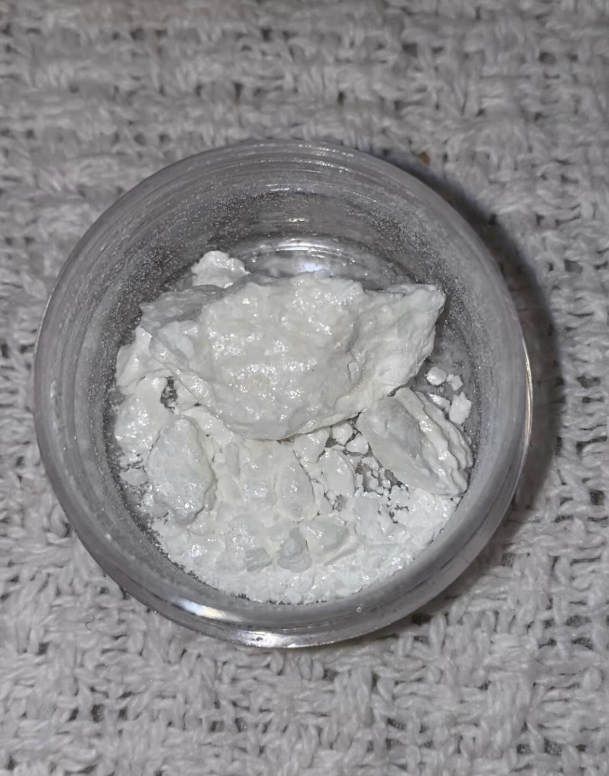
Canada's cocaine story is usually told as a Toronto–Montreal–Vancouver story. The wastewater data tells a quieter one: Atlantic Canada has one of the strongest per-capita cocaine signals in the country, and it has been building for years.

Worried about your own use, or someone else's?

Emergency: 911 · Crisis line: 9-8-8 · Nova Scotia: 1-888-429-8167 · New Brunswick: 1-866-355-5550 · PEI: 1-833-553-6983 · Newfoundland & Labrador: 1-877-999-7589.

The signal in the sewage

Statistics Canada's Canadian Wastewater Survey consistently places Halifax among the highest cocaine-metabolite loads of the big cities it samples, with Moncton elevated among mid-sized centres. Police and health data point the same direction:

  • - The Port of Halifax is a documented cocaine entry point — multi-hundred-kilogram seizures have been made from marine containers, and Halifax anchors our Canadian cocaine city ranking as Atlantic Canada's gateway.
  • - New Brunswick reported that methamphetamine was involved in roughly 63% of stimulant toxicity deaths in 2024 — a reminder that the region's stimulant problem runs on more than cocaine, and that the two markets overlap.
  • - Enforcement keeps surfacing the trade: in September 2026, Nova Scotia RCMP charged four people after seizing more than two kilograms of cocaine in Jordantown, and on October 1 an RCMP Joint Enforcement Team operation in PEI seized cocaine, cash and paraphernalia.

Why the east?

  • - Geography. Halifax is Canada's closest major port to Europe — the same route that made Montreal and Antwerp cocaine gateways.
  • - Income pockets. Offshore energy, shipbuilding and construction money create classic weekend-market demand.
  • - Thin services. Like the Prairies, Atlantic provinces have long waits for publicly funded treatment — which is exactly when a manageable habit becomes an emergency.

The cost math nobody does

At Atlantic Canadian street prices, a gram-a-week habit runs to roughly C$6,000–10,000 a year — before the debt, the missed work, and the 3 a.m. searches that probably led to this page. Full breakdown: Cocaine prices in Canada, 2026.

Free help, province by province

  • - Nova Scotia: Mental Health & Addictions 1-888-429-8167
  • - New Brunswick: Addiction services 1-866-355-5550
  • - Prince Edward Island: 1-833-553-6983
  • - Newfoundland & Labrador: 1-877-999-7589
  • - National: Overdose response (using alone) 1-888-688-6677 · Every Canadian help line

Sources: Statistics Canada, Canadian Wastewater Survey; New Brunswick Public Health stimulant toxicity reporting (2024); RCMP Nova Scotia and PEI releases (Sept–Oct 2026); CBSA port seizure reporting.

Related: Cocaine cities: Canada · Cocaine profile · Methamphetamine profile · Quit cocaine · Help lines